Hello, friends. Elena Vasquez here. You know, when I look out over the fields, whether it’s the first tender shoots of spring or the golden bounty of autumn harvest, I’m always thinking about what comes next. It’s the rhythm of farming, the art of anticipating the seasons, and it’s a lesson that applies to our lives, especially when the world outside our fences gets a little… turbulent. And right now, the winds of change are blowing stronger than ever, carrying with them a scent of uncertainty that reaches far beyond our farms and into every aspect of our preparedness.
The intel I’ve been reviewing paints a stark picture, one that demands our immediate attention and practical planning. We’re not just talking about a regional conflict; we’re talking about a global shockwave that could fundamentally alter our access to the very things that sustain us: food and energy. The confluence of a potential ground war in Iran, coupled with what appears to be deliberate manipulation of the global oil markets, is creating a scenario that’s not just concerning, but frankly, critical for anyone serious about self-reliance.
The Geopolitical Quake: Iran and the Shifting Sands of Global Power
Let’s first talk about the elephant in the room: the escalating situation in Iran. The reports suggest a high likelihood of ground forces being committed, and the actions being taken – raising the conscription age, tighter press controls, even US officials living on military bases – all point towards preparations for a long, drawn-out conflict. This isn't a quick skirmish; this is the kind of engagement that strains resources, disrupts trade, and inevitably, impacts supply chains far beyond the immediate theater of operations.
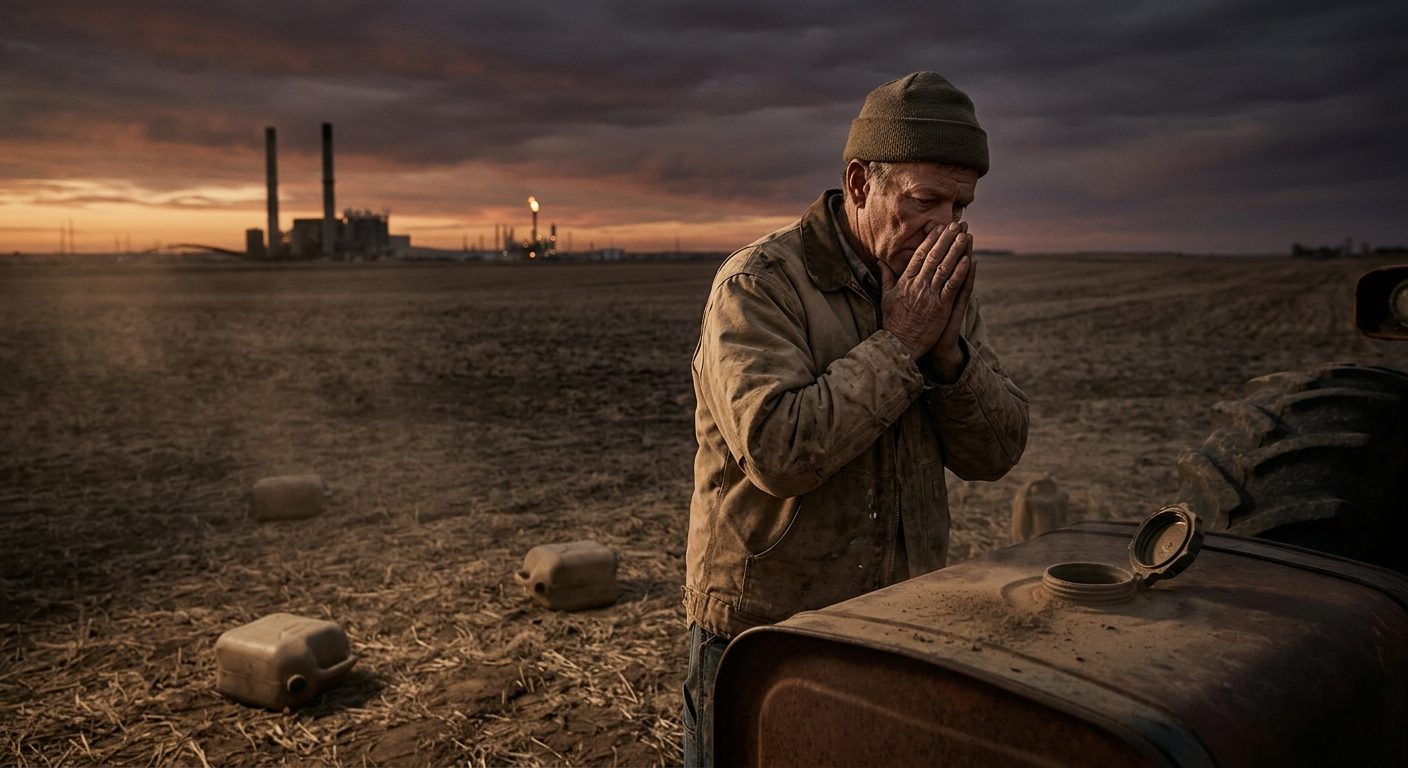
My grandmother, bless her soul, always said, "You can't grow a crop with an empty well." And that’s precisely what we’re facing if energy supplies get choked off. Iran’s leverage, as outlined, is its ability to exert upward pressure on oil prices, potentially reaching levels that force international powers to reconsider their actions. Controlling the Strait of Hormuz is a strategic objective that, if realized even partially, can send ripples of disruption across the globe. This isn’t just about gasoline for our cars; it’s about the fuel that powers our tractors, the diesel for our generators, and the transportation costs for everything from fertilizer to feed.
The Energy Lockdown: More Than Just High Prices
What we're seeing now is more than just a price hike; it's a burgeoning "energy lockdown." This isn't a term I use lightly. It signifies import/export restrictions, the looming specter of rationing, government provisioning, and the very real possibility of gas stations closing their doors. The transcript details countries cutting exports of fertilizer and fuel, Saudi Arabia capping wells, blackouts in India, and energy crises in Cuba. Even nations we consider stable are feeling the pinch – Japan reducing power usage, Germany limiting industrial operations, the Philippines declaring a national energy emergency, and New Zealand revisiting rationing laws from 1979. China and Thailand restricting fuel exports, and petrochemical giants declaring force majeure – these aren’t isolated incidents. They are pieces of a larger, more ominous puzzle.
And let’s talk about market manipulation. The anomalies in crude oil futures trading volume, the statements from the Treasury Secretary, and the fact that oil prices are not reflecting the gravity of events like the Strait of Hormuz closure or refinery attacks, all point to a deliberate effort to mask the true severity of the situation. This isn't just market volatility; it's a calculated maneuver that can blind us to the real risks and delay crucial preparedness measures.
The Cascading Impact on Food Production
As a sustainable agriculture specialist, my primary concern, beyond immediate safety, is always food security. And let me tell you, the current energy crisis is a direct and potent threat to our ability to feed ourselves and our communities. Think about it:
* Fertilizer Production: The vast majority of modern fertilizers are produced using natural gas. If natural gas prices skyrocket or supplies become restricted, fertilizer production will grind to a halt. We're already seeing countries cutting fertilizer exports. This means higher prices, scarcity, and for many farmers, the inability to acquire the nutrients needed for robust crop yields. My grandmother always supplemented with compost and manure, and while those are vital, they often aren’t enough to sustain large-scale commercial agriculture without modern fertilizers. The gap left by reduced fertilizer availability will be immense.
* Farming Operations: Tractors, combines, irrigation pumps – they all run on diesel or gasoline. If fuel becomes scarce or prohibitively expensive, planting, cultivating, and harvesting become monumental challenges. Imagine being ready to plant your spring corn, only to find you can’t get enough diesel for your tractor. Or harvesting a bumper crop of wheat, but lacking the fuel to get it to market. This is the reality we are staring down.
* Transportation and Supply Chains: From bringing seed and feed to the farm, to getting our produce to market, our entire food system relies on efficient transportation. When fuel supplies are cut or rationed, this entire chain breaks down. We’ve seen countries like Japan and Vietnam prioritizing domestic supply by canceling fuel exports. This means fewer trucks on the road, higher shipping costs, and longer lead times for essential goods. The "just-in-time" delivery model that underpins much of our economy becomes a dangerous liability.
* Food Processing and Preservation: Many food processing plants, from canning facilities to freezing operations, are energy-intensive. Power outages or energy rationing will directly impact their ability to process and preserve food, leading to spoilage and further supply disruptions. For those of us who rely on processed foods in our pantries, this is a significant concern.
Climate Anomalies: The Unpredictable Wildcard
Adding to this complex web of challenges are the climate anomalies. While Canada is experiencing below-average temperatures, the rest of the world, particularly the southwestern US, is shattering records for heat. These aren't just weather events; they are indicators of a destabilizing climate that exacerbates existing vulnerabilities. Extreme heat can stress crops, increase water demand, and strain already fragile energy grids due to increased demand for cooling. Record cold snaps, as seen in Canada, can disrupt transportation and increase heating fuel demand. These unpredictable swings mean that even with the best plans, we must remain adaptable.
Bridging the Gap: Actionable Preparedness for Farmers and Preppers
So, what do we do in the face of such a multifaceted threat? We do what we do best: plan, prepare, and adapt. My grandmother’s hands were never idle, and neither should ours be. We need to think beyond the immediate and focus on building resilience.
Fortifying Your Farm: Beyond the Usual Measures
If you are a farmer, or have access to land for growing food, your preparation needs to go deeper.
Building a Resilient Household: Essential Steps
For all of us, whether on a farm or in a home, the principles of preparedness are the same, but the urgency is heightened.
This situation is undeniably serious, but it’s not a time for despair. It’s a time for action. My family has weathered droughts, economic downturns, and a few close calls over the generations. Each time, the ones who fared best were those who didn't wait for the storm to hit, but who had their provisions ready, their skills honed, and their plans in place. The interconnectedness of our global energy and food systems means that when one part is threatened, we are all impacted. Let’s use this knowledge to become more resilient, more self-sufficient, and better prepared for whatever seasons may come.